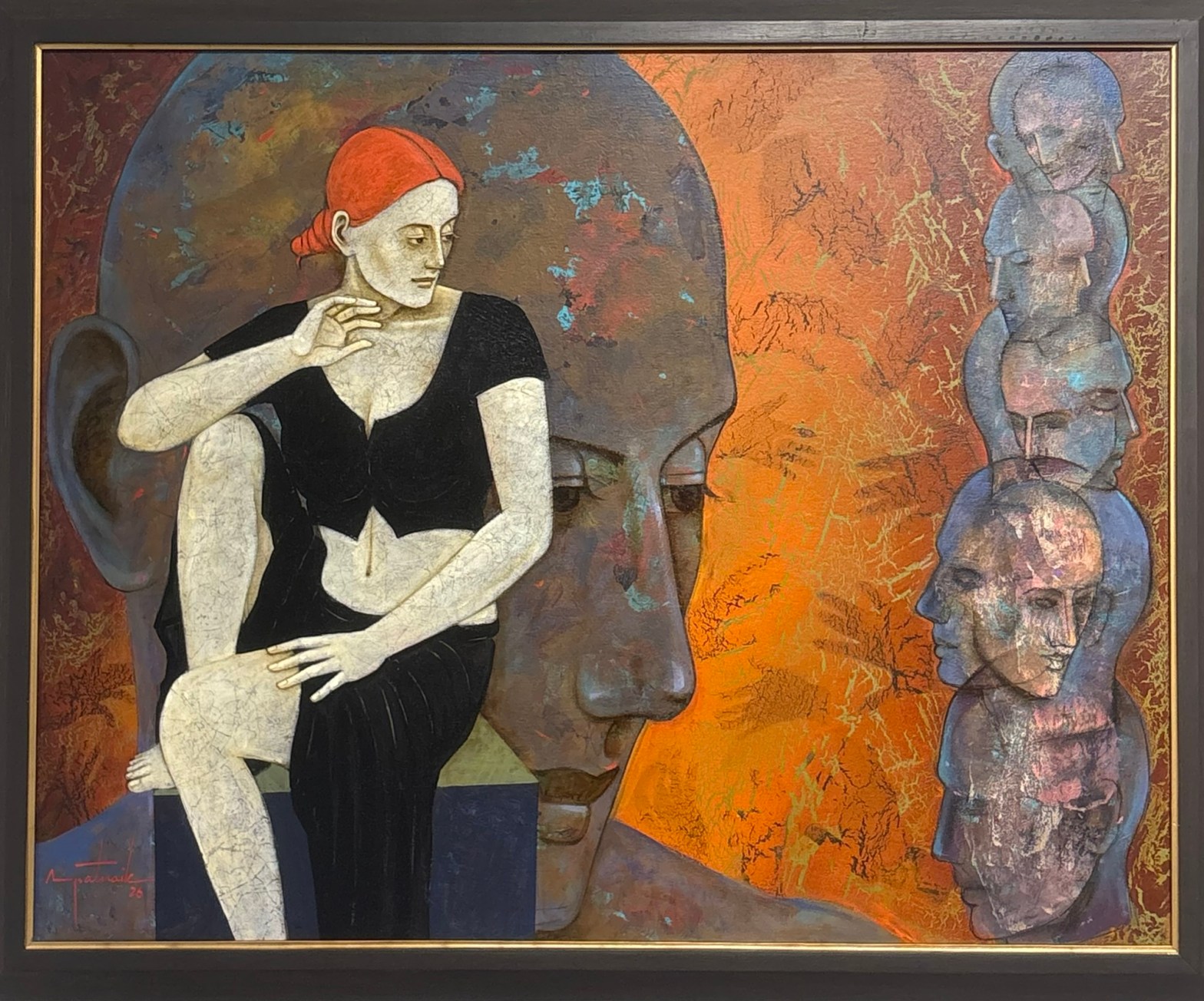
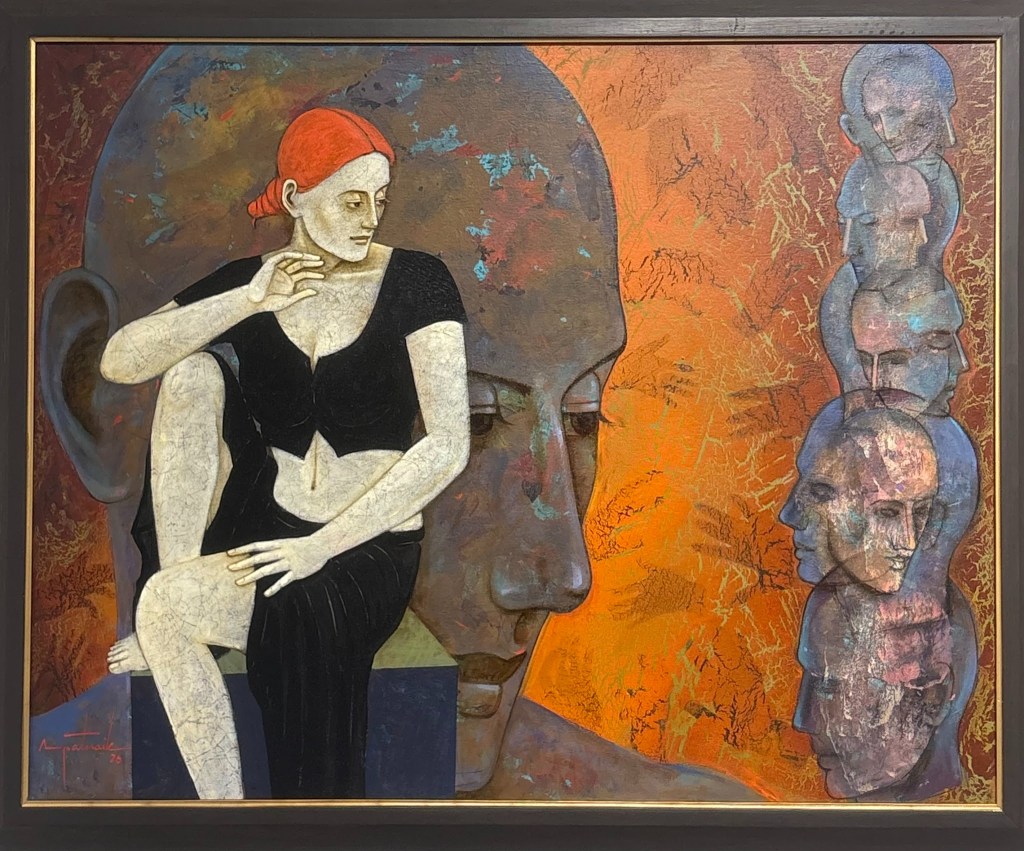
would you rather: freedom of choice or freedom from choice?

I attended a book club in Delhi which provided a breath of air amid this experiential economy’s often bigoted Delhi literary community. Once seated, the host specified that we are not there to foster yet another artificial “safe space”, the kind that has intimidated people out of engaging with literature just as much as the faceted standards imposed by academia. This is a bigger issue I look forward to talk of soon, but right now my thoughts are captured by the lively discussion on the book ‘The Unbearable Lightness of Being’ by Milan Kundera on weight and weightlessness of freedom.

This was the first of the five sessions dedicated to dissecting this book, so we did not engage in a lot of literary thought, but our first impressions of the idea the book focuses on. The question which kept making the rounds was: what is freedom? Is it freedom of choice or freedom from choice? I believe there cannot be a one-definition-fits-all, universal answer. Well, if there is, we certainly can’t arrive at it in the first meeting.

I think a major problem is that the world runs on binary. You either choose a partner for life or live feeling hollow, with lovers across states and continents. You either choose a cold land to settle or a warm one, perhaps altering your upcoming generations’ endurance of the other. You are either a poet or a physicist. Every decision you make seems so permanent because we are so used to being defined by hollow words; words whose definitions are too narrow to contain a human being.

For now, I believe freedom lies in the fluidity of moving between the freedom to choose and the freedom from choice, in believing each choice I make does not have to be my identity.

I might change my stance; for now, I am free to believe and trust my instincts.

what i wore!

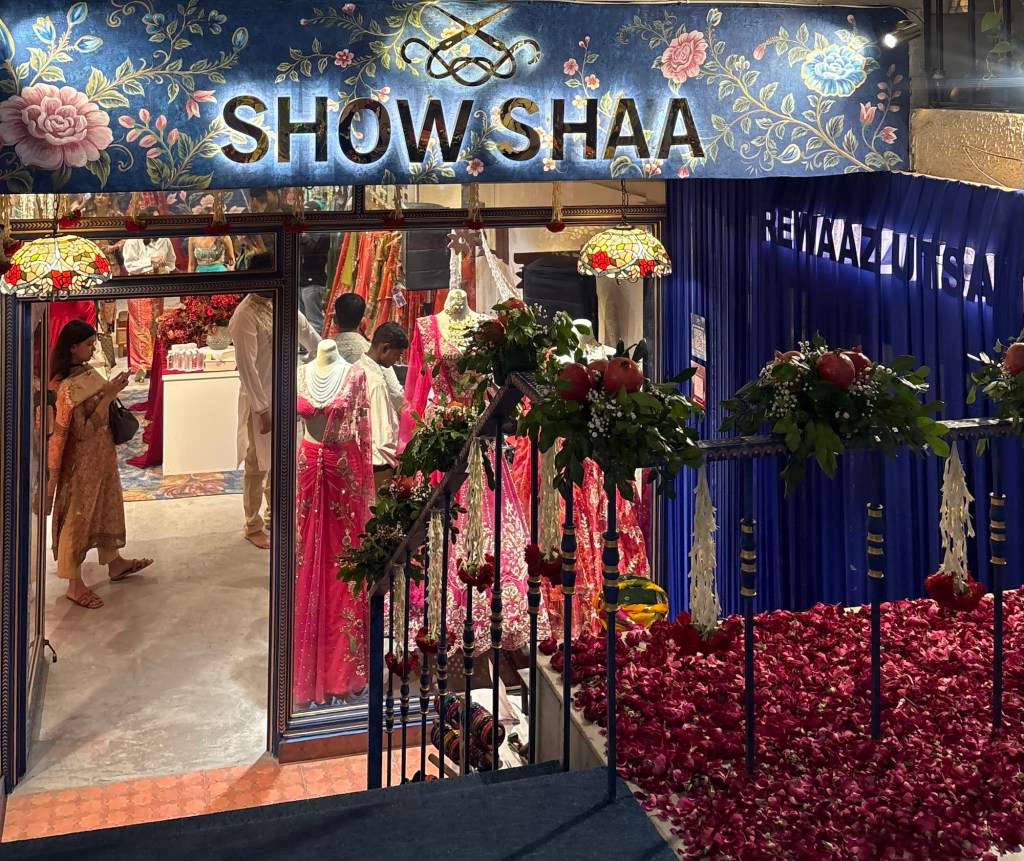
Bought the softest silk shrug from a quaint shop in McLeodganj, run by a wonderful Tibetan lady selling authentic Tibetan artefacts.

my museum of failures at almost 21

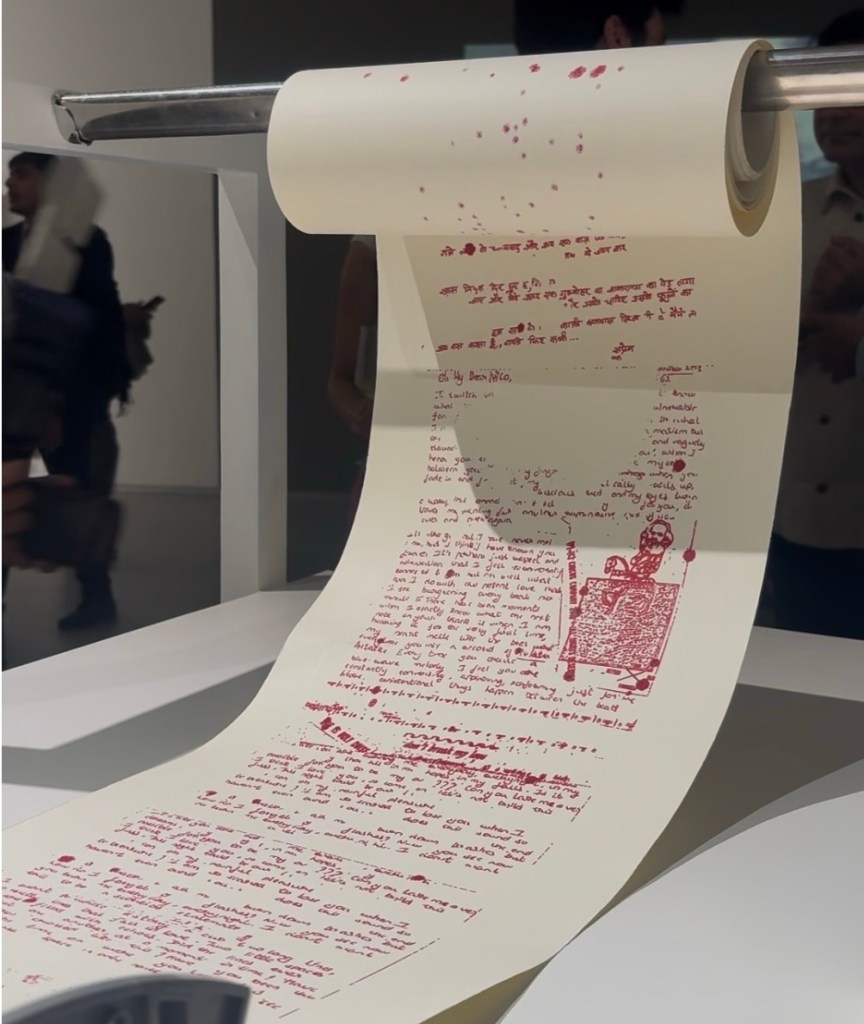
day one of stream of consciousness writing

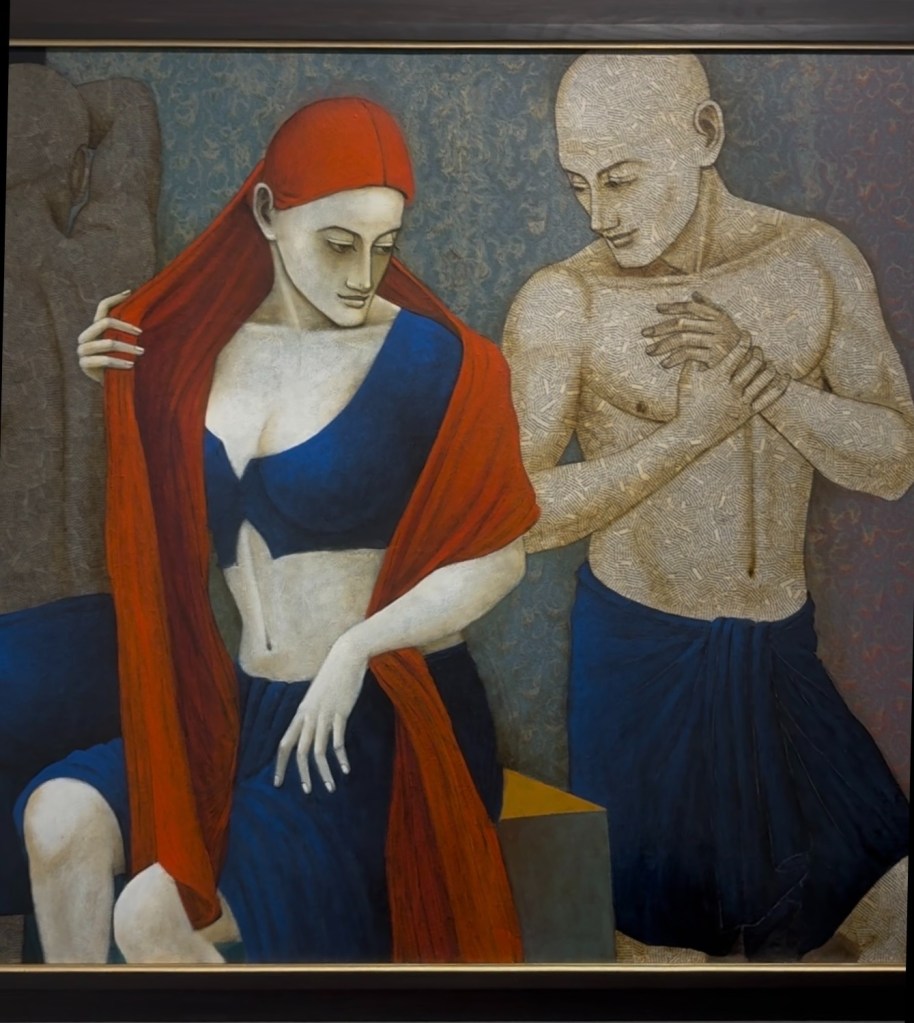
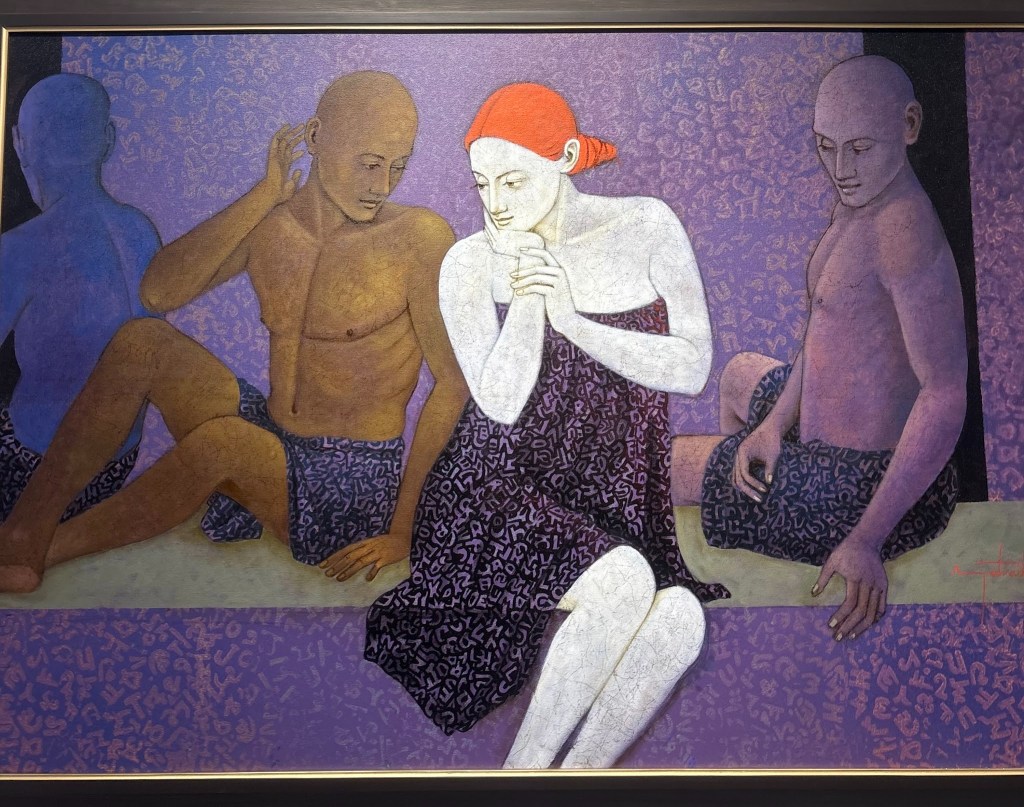
From Process/प्रक्रिया, A Group Exhibition at Shrine Empire, New Delhi

all our dreams can come true if we have the courage to pursue them

– walt disney

i heard somewhere, it was as if I was brimming with ambition but had nowhere to pour it. that singular line broke me because I had often felt like that: when my poetry transcript didn’t get through for my dream venue, when my most admired lab did not have any vacancies, and, of course, the most hurtful of all, when my undergraduate study abroad application did not go through. for each of these quests, i had taken all the right steps: tailoring and perfecting my proposal, manifestation, visualisation, just about every piece of advice the internet could provide. i understood it as the holy grail and committed to it as if i had found the secret weapon, a key to the door encaging all my desires.

i soon realised that is rarely the case. you can do everything right and still not be rewarded in the way you believe you must be. i do not mean to discourage you with this fact, but stop waiting for one moment to unlock your dream life; i have wasted months doing the same. we are of the belief that life is happening to us. it is not. we are building our lives day by day: reading the classic book on a rainy evening, sitting through the boring lecture, slugging out the internship you had to take on to pay the bills; each moment is building you up for your most authentic version.

the science research that ultimately led me to international conferences was not inspired by my work at some admired lab in the country. the inspiration struck me when i was a part of a social science study undertaken at my university. the poem which has been appreciated by respected poets of the country was an idea I had been playing around with for months until i penned it down and was so scared i copped out the first time i had to perform it. my most-read article on here was a quick freelance assignment i had taken on during my leisure time in COVID.

you will never know when your luck clock strikes, so all you can do is choose something you will enjoy, where the journey seems so enjoyable, the destination is just the cherry on top.

an attempt to bring soul back in the world

Hi, I am Avni. I am a twenty year old writer. For as long as I remember I have been writing, be it fiction on Wattpad, non fiction on this website or poetry in communities, I have put word on paper and felt it to be the most honest act one can commit to come closer to themselves. I believed my ability to pen down the chaos in my mind to a perfect metaphor reader can feel to, relate to, was my ultimate gift.

Then AI happened, it learnt patterns, metaphors, linguistics from writers, much alike us, who put their years of writing on open access platforms to reach wide and share years of their training and knowledge to democratise knowledge. Now, I am told to put my final draft on ChatGPT to make it “smoother”, “better”, “concise.” Well, fuck better. Humans aren’t an algorithm to be optimised. Write messy. Write true. I want to read your rambling on the terrible sandwich you bought for Rs. 600, use language as vile, as unpolished as possible. That will have more soul than anything AI can conjure up from its most polished prompt.

Hence, I am starting a 30 days series where i write everyday here without any AI assistance, a little contribution to keep the soul intact of a world which is fed with gallons of AI slop each day. I would love to see more of you join in: write about the most seemingly ordinary thing or the revelation you believe will change the world, your words deserve a reader and readers deserve soul back in the words they read. So, join me, reclaim your words.

See you tomorrow.

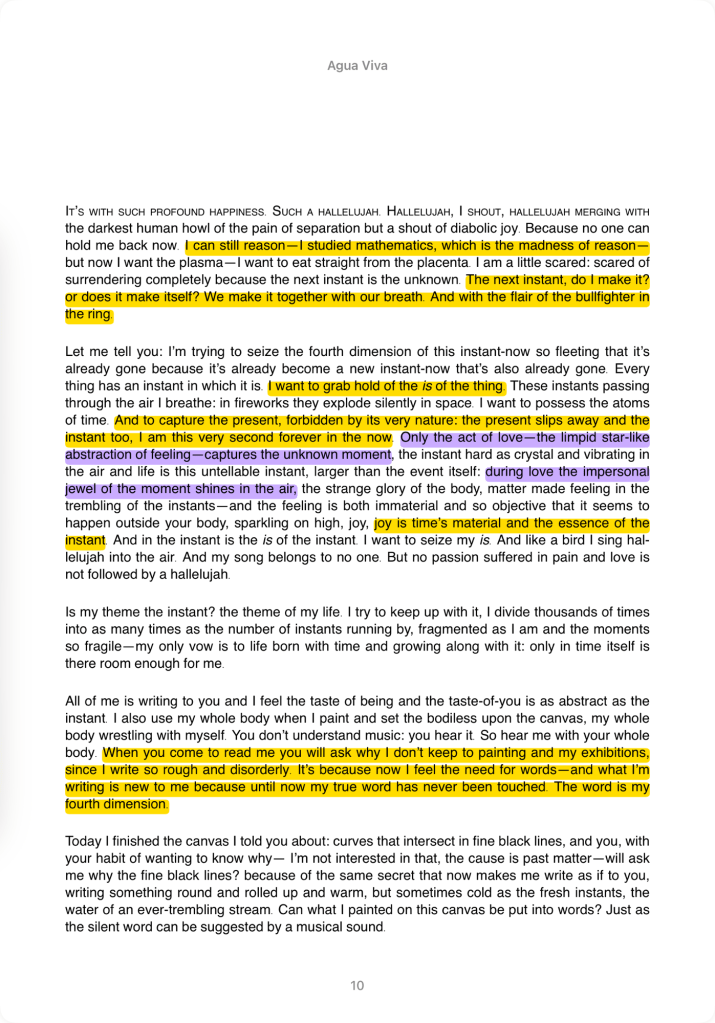
P.S.: Attaching a piece from one of the most celebrated works of the author whose novels taught me to appreciate the stream-of-consciousness style of writing: Agua Viva by Clarice Lispector. For the next 30 days, I will be writing in this format – notably human.

A Tryst between AI and Museum Artifacts at Travancore Palace, New Delhi

At the AI Impact Summit 2026, two of my longstanding preoccupations, advancement in AI and art, intersected at the OpenAI Summit ‘Reimagining Cultural Heritage.’ The morning of 20 February 2026 brought together technologists, journalists, artists and entrepreneurs to witness something uncanny and, for the first time in India, to address a two-thousand-year-old terracotta marvel with a question spoken aloud, and receive in return a carefully structured, broken-down-to-our-intellect answer explaining the intricacies of the work’s history, process and grandeur, courtesy of Ask Mona.

reimaging cultural heritage

Ask Mona is a visionary enterprise by Marion Carré, which transforms artworks into engaging conversations through trustworthy and conversational AI.

Like many who are deeply moved and invested in the arts, I, too, reserved my judgment about introducing AI into museums and galleries; beside the artworks that had stood the testament of time, preserving history. However, I had the privilege of speaking with the founder and CEO, Marion Carré, for my article published at Art Culture Festival, wherein I understood that rather than “changing” museums’ processes, Ask Mona’s focus is to democratize knowledge, to dissolve the quiet intimidation that walks in with every visitor who fears they either “get it” or they don’t. I believe this truly is a feat in transforming how museums are experienced.

The project stands at the Sanskriti Museum of Indian Terracotta in New Delhi, bringing historic and intricate knowledge of these objects into closer reach, drawing people towards heritage and art, one QR code at a time.

You can read my article here: https://lnkd.in/dqq-4trN

P.S.: It was Ask Mona’s recent implementation at the Kiran Nadar Museum of Art’s remarkable Tyeb Mehta exhibition that brought this memory rushing back. Congratulations to the whole team. I cannot wait to visit.

Open AI in India, AI Impact Summit 2026

The Silver Wolf Within: On Poetry, Intuition and the Search for the Self with Bindiya Bedi Charan Noronha

Recently, I had the chance to speak with author, polyglot and poet Bindiya Bedi Charan Noronha following the release of her latest book, Riding with the Silver Wolf. Over the course of two hours, our conversation wandered through the journey of the Silver Wolf, questions of faith, and the silences that often sit quietly between words.

Accompanied by evocative and documentary style photographs, the book features photographs captured by Komal Bedi Sohal, making the book a multi-layered, sensory experience. There are books you read for answers, and then there are books that gently insist you ask better questions. Riding with the Silver Wolf belongs to the latter. Moving between cities, memories, and moments of quiet introspection, the collection invites readers into a landscape where instinct speaks as loudly as intellect. In an age of constant information and restless pace, the book pauses to pose searching questions about identity, authenticity, responsibility, and the inner voice we often learn to ignore.

In this conversation, Bindiya reflects on the symbolism of the Silver Wolf, the faith we carry, the dialogue between poetry and photography within the book, and how poetry today continues to evolve as both a deeply solitary act and a shared cultural space.

Riding With The Silver Wolf; Avni Jain in conversation with Bindiya Bedi
Riding With The Silver Wolf, published by Red River Press
Now available on Amazon.

Riding With The Silver Wolf, published by Red River Press

Starting with the title, Riding with The Silver Wolf, it immediately pulls the reader in. What does the symbol of the “Silver Wolf” represent in the book?

‘Riding with The Silver Wolf’ is an invitation to your inherent wisdom and your instinctive nature, which is sometimes hidden under the dust of too much superfluous information, so that it never comes to light.

So basically, I’m inviting you to traverse this path with me through our societal issues and also our personal challenges, while at the same time riding with the Silver Wolf — calling out your raw inner intuition, which exists in all of us — to find the wisdom to do the things which will make us happy in the long run.

So join me in this landscape, where we go from Varanasi to different places, to Paris, and at the same time go deep down within ourselves to find the inner core, which is raw and real, like the Silver Wolf.


Your poetry moves between faith and doubt. What questions do you hope readers begin asking themselves as they read the book?

See, the reader must know who he is. Who am I? Am I a daughter? Am I a mother? Am I a professional? Who am I?

We are all different personalities. To live with the truth of your authentic self — I feel the reader will, somewhere in the nuances of different aspects of this book, find some kind of an answer to the search for their own reality.

To be authentic, to be your true self, is where you will find your success and happiness in the long run.


Many readers describe Riding with the Silver Wolf as an antidote to a rushed life. Was the book conceived as a pause for reflection?

When your book goes out, anything can happen. But I am happy that the book has been received well, and I would like to think that I have got some good reviews. Above all, whoever reads it has reached out to me and shared that somewhere they find resonance to something which probably they didn’t even know they were looking for.

Sometimes we have our doubts. Sometimes we have our confusions. But ultimately, we want to be conflict-free individuals. When we are at cross purposes — our heart saying one thing and our head saying another — then we cannot find our purpose and actualise it.

We cannot find success and happiness in what we do in the present moment. We all go through a journey to reach that happy place. For that, we need to be still. We need to think. We have to give our mind and heart some space to introspect so that we can discover who we really are.

Even though the book discusses heavy topics, it invites you to sit still and think about them. Find answers within the book, but also find the answers within your heart because poetry is very raw. Poetry is very real. It does not pretend.

To get out of the mask and find your true self, to be able to discover a passion, I feel,  we all must have a passion beyond our professions and beyond our social obligations. I hope it helps readers to think about it, find this, because that is what poetry has helped me to do.


The book also engages with feminism and ecological responsibility. How do these social concerns enter the inner journey of the poems?

Riding with the Silver Wolf talks about feminism and ecological responsibility that we all bear as citizens of the planet Earth.

It takes you to different places and at the same time asks you  — Can you really turn a blind eye to these things happening around us and just be happy in your own bubble?

We would all like to, but can we do it? I don’t think so. So the inner voice is calling you to explore and identify your own sense of social responsibility while keeping your freedom intact, and contribute towards making a better world.

For that, you have to be in touch with your core, inherent nature and your innate wisdom, which is symbolised by the Silver Wolf. It keeps calling you to find out in what way you can practically contribute to making this world a better place for yourself and for the next generations.

After all, our children are going to inherit what we create.


Your sister’s photography in the book is rooted in documentary realism, while your poetry feels more mystical and inward. How did these two artistic languages meet within the project?

When two people collaborate, it’s never a very smooth sail, but in those discussions and conflicting ideas is where we find the bridge.

The dialogue with my sister — on how to decide the cover, what the meaning of the Silver Wolf is, and how to translate the written word into imagery — was a journey in itself.

It brought us together. I truly believe that as siblings, we may be poles apart and have very different personalities, but collaboration around a subject or activity is great fun. You find many common points and grow together. This is the second book where we have found synergies, despite living far apart, in different countries, too.

Each one learns from the other, and we grow into this beautiful space, which is new, far beyond what we were when we were young siblings. Relationships deepen, and this profundity is what life is all about.

Launching ‘Riding With The Silver Wolf’ at the November India Stanza, held at Kiran Nadar Museum of Art

From left to right: Ashley, Komal Bedi Sohal, Sanjula Sharma, Bindiya Bedi Charan Noronha, Mandira Ghosh


You also established the India Stanza of the UK Poetry Society. Do you see poetry as an act of solitude or a communal experience?

First of all, we each have to be comfortable with our individuality, and we don’t imitate others. Like in a bouquet, each flower lends its own beauty.

Poetry begins as an act of solitude, but then it flows out to others. A community is very important because this is the age of collaboration and cooperation.

Relationships are shrinking, so we need our communities and we need each other. Poetry for me is the beginning of a dialogue which leads to alliances and new friendships.

India Stanza is all about working together in the realm of poetry. People used to think poetry was dead, but more and more young people are coming towards it because they are able to express their authentic voice, and they feel treasured.

Everybody wants to be seen and heard. Everybody is unique, so they deserve to be seen and heard. We have to create platforms which are non-judgmental, and I feel that Poetry and India Stanza are trying to do that.


Your work often moves beyond traditional forms of poetry. Do you see poetry evolving further into interdisciplinary forms — performance, visual art, and digital spaces?

One beautiful thing we have experienced through our monthly India Stanza meetings is that poetry is transgenerational. We have very young poets and older poets who add gravitas and guide the younger ones.

At the same time, younger poets bring enthusiasm and new topics, giving us insight into the future of the world.

Poetry is moving towards performance, but it is also very therapeutic. There is so much conflict and so many problems in the world that we all need ways to process them creatively.

Poetry offers a creative way of dealing with these emotions — not in an aggressive way where things are destroyed, but in a positive way where sensitivity is expressed. It is healing and therapeutic.

We are also trying to blend spoken word with the literary tradition, bringing experienced poets and younger voices together. Most importantly, we want to create a space where we listen and value each other.

In today’s world, everyone wants to blow their own trumpet. Here, we want to create a place where we listen with an open heart and support each other.


Having spent decades engaged with cultures and languages around the world, what role do you think poetry plays today?

Poetry is evolving everywhere. I studied French and Portuguese, and each language opens a window into its literature.

When you explore literature across countries, you realise that at the end of the day, we are all human. Emotions are the same everywhere — love is the same, rage is the same. The subjects may differ slightly, but those differences are mostly cosmetic.

We may be divided by borders and boundaries, but essentially, human beings are the same. Poetry is unmasked emotions.

So it must evolve for young people to find their voice. It is not only about becoming a big personality. It is a beautiful way to express inner anguish and inner happiness and feel connected.


When readers turn the final page of the book, what do you hope stays with them — the photograph, the poem, or something else entirely?

People will find something within the gap.

There is the photograph, there is the poem, there is the feeling and the emotional reaction. But somewhere within those gaps they will find an individual expression — which is what I would like to see.